


Precise diagnostics
Certified spare parts
A modern service station in Kyiv
Precise diagnostics
Certified spare parts

Maintenance

Body
Repair

Chassis
Repair

Engine
Repair

Car
Diagnostic

Camber-
Toeing

Maintenance

Body
Repair

Chassis
Repair

Engine
Repair

Car
Diagnostic

Camber-
Toeing

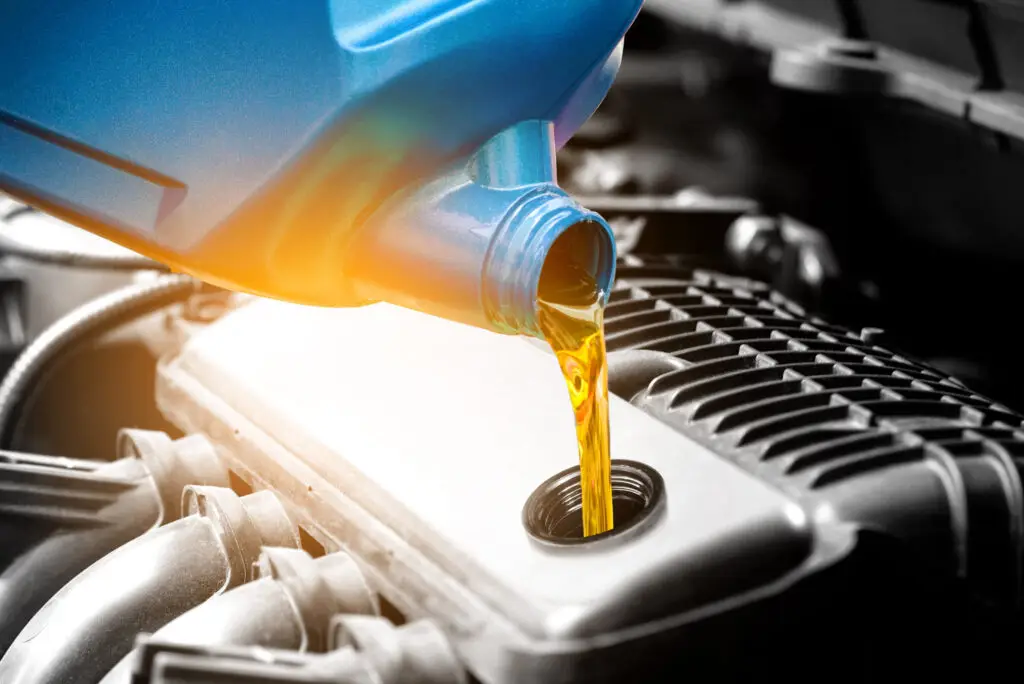
One of the main service operations is changing the engine oil. This procedure has a certain frequency set by the car manufacturer, and is usually 10,000 km or one year of mileage. But if you drive “aggressively” or in harsh conditions, these intervals can be shortened.
For example, you need to change the oil after a mileage of 6-7 thousand km, if:
One of the main service operations is changing the engine oil. This procedure has a certain frequency set by the car manufacturer, and is usually 10,000 km or one year of mileage. But if you drive “aggressively” or in harsh conditions, these intervals can be shortened.
For example, you need to change the oil after a mileage of 6-7 thousand km, if:
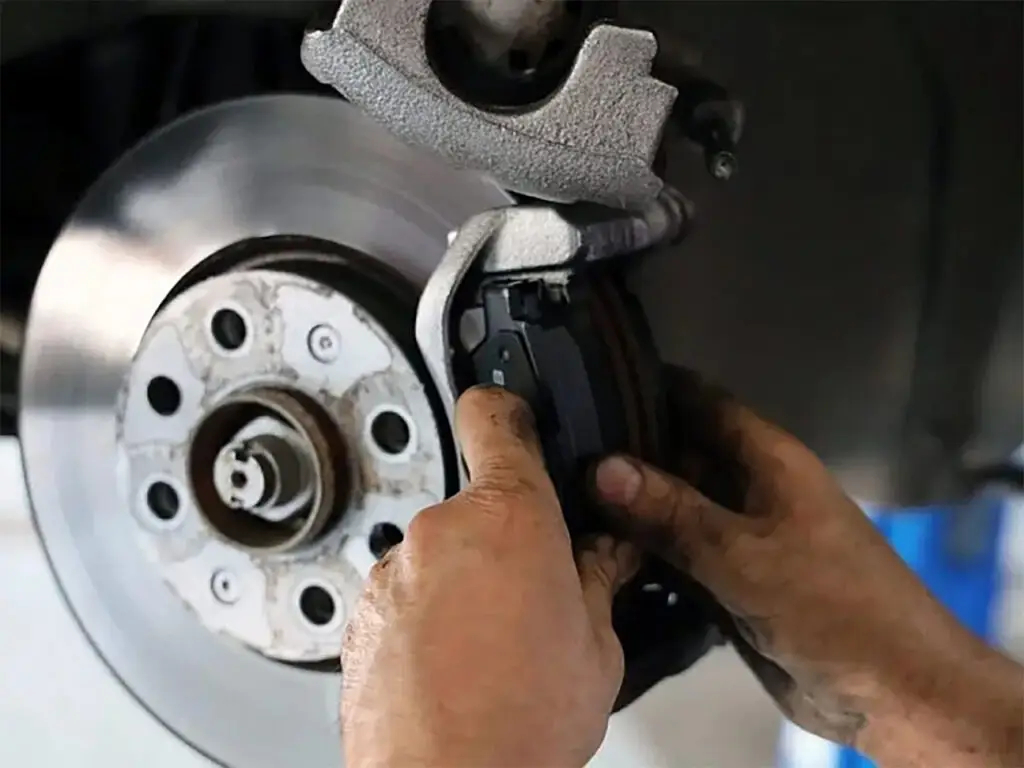
In the car’s operating instructions, each manufacturer indicates the approximate terms for replacing brake pads and discs. But in real conditions of operation of the car, the replacement of pads and discs depends on the degree of their actual wear. It depends on many factors, including driving style, road conditions, seasonality, etc.
We recommend that you regularly check the condition of the brake pads and discs. And the main attention should be paid to their wear after every 80,000 km of mileage for discs, and after 12-17 thousand km for pads. It is at these mileage indicators that it is best to replace these parts.
Brake pads and discs signal the need to replace them as follows:
It must be remembered that the replacement of brake system parts is carried out exclusively in pairs on one axis.
We draw your attention to the fact that not only your health and life, but also that of other road users may depend on the serviceability of your car’s braking system. Take care and be responsible!
We recommend that you regularly check the condition of the brake pads and discs. And the main attention should be paid to their wear after every 80,000 km of mileage for discs, and after 12-17 thousand km for pads. It is at these mileage indicators that it is best to replace these parts.
Brake pads and discs signal the need to replace them as follows:
It must be remembered that the replacement of brake system parts is carried out exclusively in pairs on one axis.
We draw your attention to the fact that not only your health and life, but also that of other road users may depend on the serviceability of your car’s braking system. Take care and be responsible!
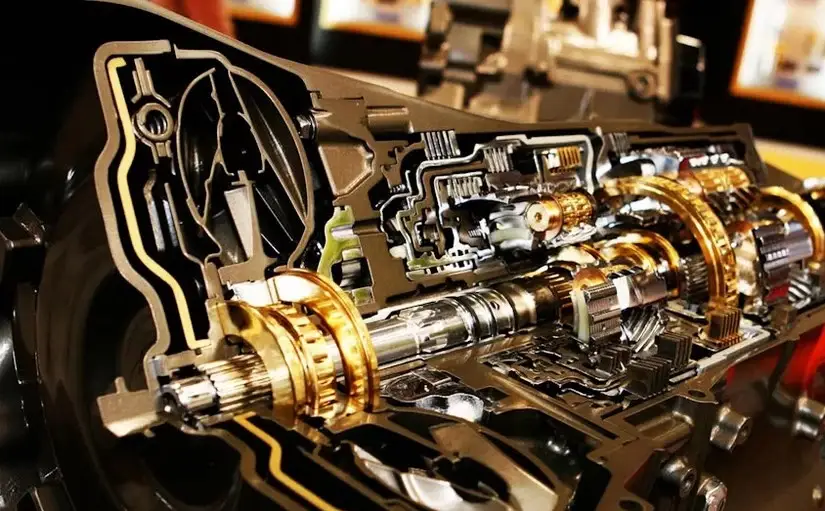
During operation, the car’s gearbox faces very significant loads.
But, unlike the regulations for changing the oil in the engine, often car manufacturers do not specify the frequency of the need to change the lubricant in the transmission.
And in vain! After all, it affects the operation of nodes on the “box” parts. Old, unsuitable oil, or its insufficient level can lead to serious problems and very expensive repairs. Or not at all – until replacing the entire gearbox itself.
Actually, the transmission oil in the gearbox:
According to experts, it is recommended to replace the lubricant in the gearbox after 100,000 kilometers or at least every 7 years of vehicle operation, whichever occurs first. However, if the car is subjected to a significant load or is operated in adverse conditions, it would be a reasonable step to change the oil after 60-70 thousand kilometers of mileage. Thus, engineers recommend playing it safe and taking appropriate measures to preserve the reliability and efficiency of the gearbox.
Changing the oil in the gearbox, variator, reducer and “distributor” is an important procedure that ensures long-term and reliable operation of the car and is different from the technology of changing the oil in the engine. It allows you to preserve the optimal characteristics of mechanisms and maintain them in good condition. Therefore, when replacing the lubricant, it is worth paying attention to the quality and correctness of this procedure. This process requires vigilance and compliance with special rules to ensure optimal operation of the mechanisms.
Oil change technology requires special equipment and qualified personnel. This is due to the fact that the process of replacing the lubricant is very precise and requires compliance with certain parameters and procedures.
It is important to use exactly the oil recommended by the manufacturer, as it has special properties necessary for the proper operation of mechanisms. It also has high resistance to high temperatures and loads that occur during car operation.
Moreover, the lubricant for the automatic transmission differs from the lubricant for the mechanical gearbox, and it is not possible to fill in “not your own”.
During operation, the car’s gearbox faces very significant loads.
But, unlike the regulations for changing the oil in the engine, often car manufacturers do not specify the frequency of the need to change the lubricant in the transmission.
And in vain! After all, it affects the operation of nodes on the “box” parts. Old, unsuitable oil, or its insufficient level can lead to serious problems and very expensive repairs. Or not at all – until replacing the entire gearbox itself.
Actually, the transmission oil in the gearbox:
According to experts, it is recommended to replace the lubricant in the gearbox after 100,000 kilometers or at least every 7 years of vehicle operation, whichever occurs first. However, if the car is subjected to a significant load or is operated in adverse conditions, it would be a reasonable step to change the oil after 60-70 thousand kilometers of mileage. Thus, engineers recommend playing it safe and taking appropriate measures to preserve the reliability and efficiency of the gearbox.
Changing the oil in the gearbox, variator, reducer and “distributor” is an important procedure that ensures long-term and reliable operation of the car and is different from the technology of changing the oil in the engine. It allows you to preserve the optimal characteristics of mechanisms and maintain them in good condition. Therefore, when replacing the lubricant, it is worth paying attention to the quality and correctness of this procedure. This process requires vigilance and compliance with special rules to ensure optimal operation of the mechanisms.
Oil change technology requires special equipment and qualified personnel. This is due to the fact that the process of replacing the lubricant is very precise and requires compliance with certain parameters and procedures.
It is important to use exactly the oil recommended by the manufacturer, as it has special properties necessary for the proper operation of mechanisms. It also has high resistance to high temperatures and loads that occur during car operation.
Moreover, the lubricant for the automatic transmission differs from the lubricant for the mechanical gearbox, and it is not possible to fill in “not your own”.
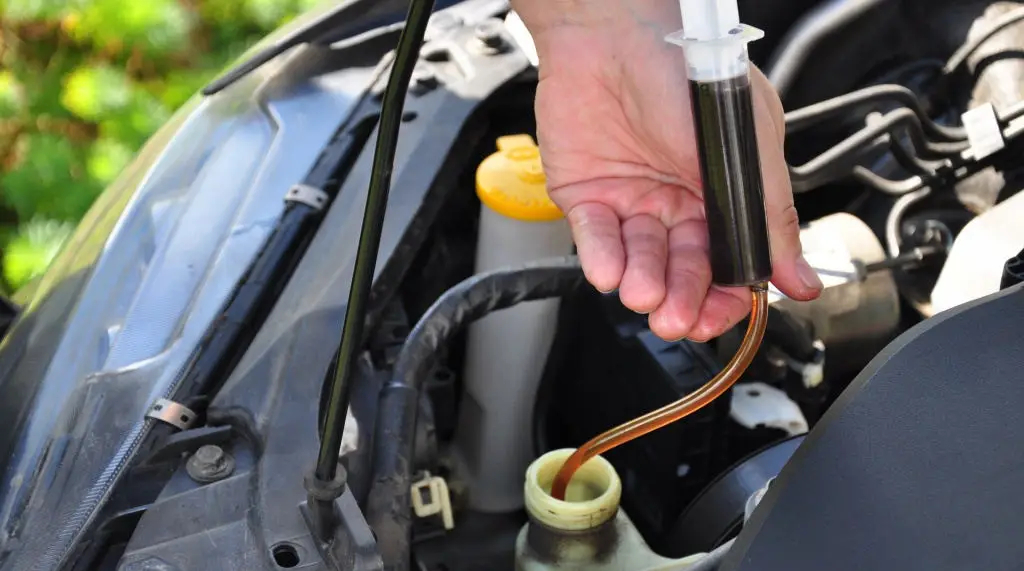
For the proper functioning of all components of the car, it is necessary to timely replace not only the lubricant in the engine and transmission, but also other fluids: brake fluid, antifreeze, and power steering fluid.
First of all, changing the brake fluid is critical.
It is recommended to replace it every 1.5-2 years, regardless of the mileage of the car. Ignoring this recommendation can result in a loss of braking system efficiency. It is important to replace the old fluid completely, and not just add a new one to the existing one.
Changing the coolant is also important. The terms of replacement depend on whether antifreeze or antifreeze is used. Antifreeze should be replaced every 2 years, and antifreeze replacement is carried out after 3-5 years, depending on the manufacturer of the fluid.
Finally, power steering fluid. According to the regulations, a full replacement is carried out after 80,000 km of mileage. However, it is recommended to regularly monitor the level of this liquid. If the fluid is dark, dirty in color or has a burning smell, this indicates the need to immediately change the fluid and clean the expansion tank of the system.
To ensure the reliability and longevity of the car, it is worth following the recommendations for replacing fluids. Regular measurement of the level of fluids and timely replacement guarantee the safety and efficient operation of all components of the car.
For the proper functioning of all components of the car, it is necessary to timely replace not only the lubricant in the engine and transmission, but also other fluids: brake fluid, antifreeze, and power steering fluid.
First of all, changing the brake fluid is critical.
It is recommended to replace it every 1.5-2 years, regardless of the mileage of the car. Ignoring this recommendation can result in a loss of braking system efficiency. It is important to replace the old fluid completely, and not just add a new one to the existing one.
Changing the coolant is also important. The terms of replacement depend on whether antifreeze or antifreeze is used. Antifreeze should be replaced every 2 years, and antifreeze replacement is carried out after 3-5 years, depending on the manufacturer of the fluid.
Finally, power steering fluid. According to the regulations, a full replacement is carried out after 80,000 km of mileage. However, it is recommended to regularly monitor the level of this liquid. If the fluid is dark, dirty in color or has a burning smell, this indicates the need to immediately change the fluid and clean the expansion tank of the system.
To ensure the reliability and longevity of the car, it is worth following the recommendations for replacing fluids. Regular measurement of the level of fluids and timely replacement guarantee the safety and efficient operation of all components of the car.
Changing the filters in your car is very important to keep your engine and ventilation systems working properly.
Regular replacement of filters will help preserve engine power longer and increase the life of the car.
Here are some basic filters that should be replaced regularly:
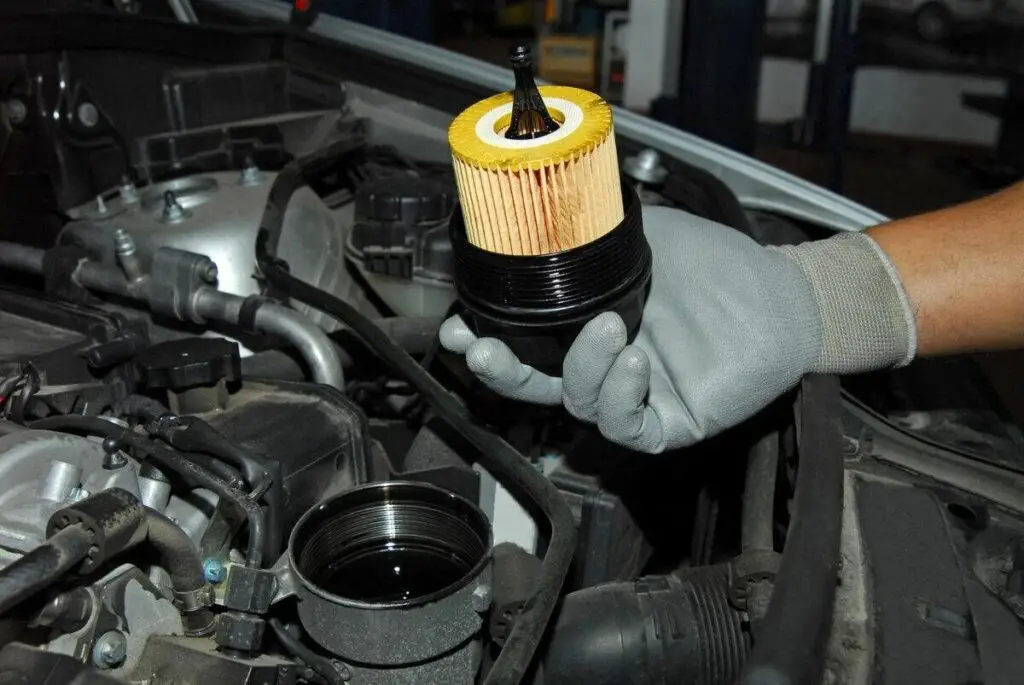
Changing the filters in your car is very important to keep your engine and ventilation systems working properly.
Regular replacement of filters will help preserve engine power longer and increase the life of the car.
Here are some basic filters that should be replaced regularly:
Ensures the cleanliness of the oil that lubricates the engine.The filter element protects motor oil from impurities of dirt, dust, resins, fuel combustion products.
It is recommended to replace it with each oil change, which is usually done every 5,000 – 10,000 kilometers.
This filter is changed at the same time as changing the engine oil.
It is also necessary to change the oil filter:
In cars with an automatic transmission, there is a second oil filter in the gearbox, it must be changed every 30-60 thousand km.
When the oil filter is clogged, a special valve allows crude oil to bypass, and the engine wears out much faster. In the worst case, oil can leak out of a damaged filter, and the engine is at risk of oil starvation.
Untimely replacement of the filter entails:
You can suspect the clogging of the oil filter by the following signs:
We are always glad to see you!
Contacts:
30 Boryspilska Street,
Kyiv, 02093
Booking: +38 098 000 06 56
Parts: +38 098 000 06 76
Body Repair: +38 067 393 40 30
Working schedule:
Sat, Sun: closed
Contacts:
30 Boryspilska Street,
Kyiv, 02093
Booking: +38 098 000 06 56
Parts: +38 098 000 06 76
Body Repair: +38 067 393 40 30
Working schedule:
Sat, Sun: closed
